


MATERIALS AND SHEATHS FOR INDUSTRIAL TEMPERATURE SENSORS
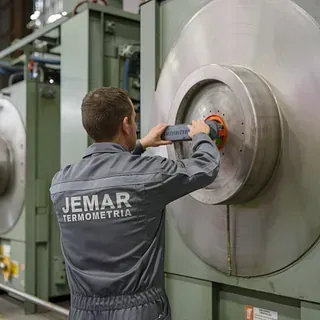
Materials and sheaths for industrial thermocouples and RTD probes
The correct selection of materials and sheaths is a key factor in the reliability and lifespan of industrial thermocouples and RTD probes. A poorly protected sensor or one manufactured with an unsuitable material can lead to premature failures, unstable readings, or process shutdowns.
At Jemar Thermometry we manufacture custom temperature sensors, selecting the sheath material according to the working temperature, the atmosphere, the mechanical environment and the type of industrial application.
Function of the sheath in an industrial temperature sensor
The sheath is the element that protects the sensor from the process. Its function is:
- Protect the sensitive element
- Isolate him from the aggressive environment
- Ensure reading stability
- Increase the sensor's lifespan
Incorrect selection of sheath material is one of the main causes of failure in industrial sensors.
Metallic materials for industrial sheaths
Metal sheaths are used when mechanical strength and direct contact with the process are required.
Common materials:
- Stainless steels (AISI): general industrial applications
- Inconel: high temperatures and aggressive atmospheres
- Special alloys: critical processes and severe conditions
These materials allow the manufacture of robust sensors for ovens, thermal processes, and demanding industrial applications.
High-temperature ceramic sheaths
Ceramic sheaths are primarily used at high temperatures, where metallic materials do not offer sufficient stability.
Features:
- High thermal resistance
- Good long-term stability
- Suitable for ovens and high-temperature processes
Ceramics are the right solution when thermal resistance is prioritized over mechanical resistance.
Material selection according to industrial application
There is no single "universal" material. The choice of sheath depends on:
- Maximum operating temperature
- Atmosphere (oxidizing, reducing, corrosive)
- Mechanical conditions (vibrations, shocks)
- Sensor type (thermocouple or RTD)
At Jemar we provide technical advice to select the most suitable material, avoiding oversizing or premature failures.
Influence of the sheath material on the sensor's lifespan
The sheath material directly influences:
- Sensor durability
- Measurement stability
- Replacement frequency
- Total maintenance cost
A correct initial selection reduces incidents and improves the reliability of the industrial process.
Custom manufacturing of sensors with specific materials
As manufacturers, we adapt:
- Sheath Material
- Diameter and length
- Sensor type (thermocouple or RTD)
- Fastening system
This approach allows for the manufacture of temperature sensors specifically designed for each industrial process.
Every industrial process requires the right materials and protection. At Jemar Thermometry, we manufacture custom temperature sensors, selecting the correct sheath for each application.
products
Guilt
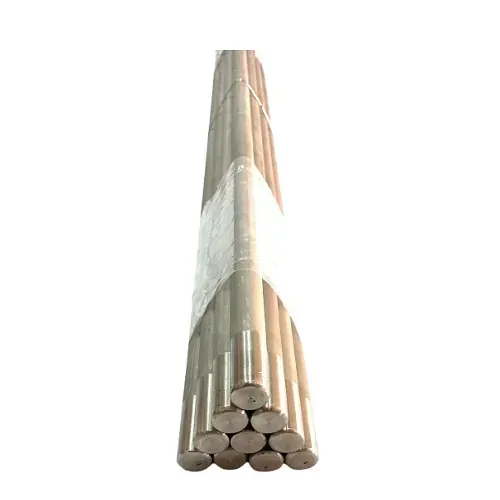
JEMAR Thermometry's stainless steel sheaths are essential for protecting temperature sensors in demanding industrial environments. Manufactured from high-quality materials, these stainless steel sheaths offer resistance to corrosion, pressure, and high temperatures. Ideal for applications in the chemical, petrochemical, energy, and other industries, they guarantee accuracy and durability.
At JEMAR Thermometry, we offer customized solutions for every need.
Thermoporous
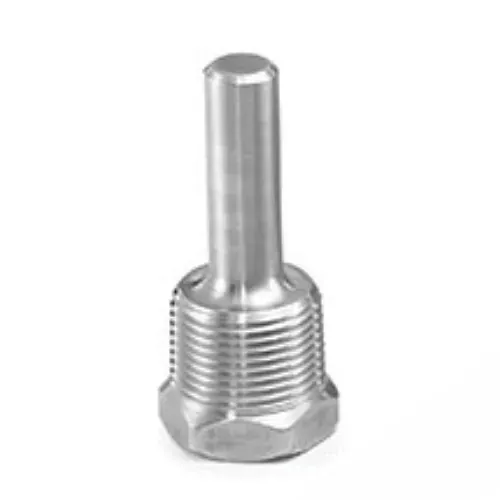
At Jemar Thermometry, we offer a wide selection of custom-made stainless steel thermowells. Designed to complement our range of thermocouples and Pt100 probes, these thermowells are the perfect solution for industrial applications where sensor removal is challenging, such as in tanks, pipes, or reservoirs.
We guarantee quality and durability to protect your sensors in demanding environments.